Friday, March 2, 2018

How I, a Punjabi, was brainwashed with anti-Pashtun bigotry. And how I unlearnt it

When's Pakistan was being made  in 1947 , there was no Muslim League Sir  jinah or Sir Allama iqbal known in Pashton lands or  having any real power in the elected Leadership of Pashtons. Lands , or any power in elected Assemblies over then till 1947 .

Muslim league was non existent here in elected Assemblies but was represented by a few bureaucrats and servants of British like some Sahbizadas , Khan Bhudurs and Arababs etc title holders of British like Sahbizada Abdul Qayum a Qadiani of Topi Swabi or some Mullahs on pay role of British in Jameet ulema hind some Deobandi agents of British.

The only representation Muslim league had was , maybe less than 6  seats in both provinces  of Pakhtunkhwa and Baluchistan which was one and same  at that time. As name Baluchistan name did not come till 1971 when new constitution of Pakistan was made by Zulfiqar Ali Bhutto  ......

Out of hundreds of elected Pashtons in Pakhtunkhwa Assembly and Baluchistan Assmbly called state of Kalat at that time in 1947 which ,was Nationalist and reformist party of  Awami national Party of Bacha Khan, Khan Abdul Ghafar Khan is forgotten and not mentioned in text books of Pakistan but history is not taught in Pakistan but a fed lies in as Pakistan Studies ..

Muslim league that were never Voted by Pashtons and balauchis  in 1947 ,  in fact the elected Asemblies of Baluchistan was bombed with Artillery by Pakistan Army and Air force in 1947 -48 , Air force  was used to destroy the session of parliament ,when we are gifting Kashmir our human rights were being trampled.
The Pakhtunkhwa elected Asembly was discharged with out any reason in dictatorial manner by Sir jinnah in 1947 being a non elected head of newly formed Pakistan in partner ship with British was discharging and sending home elected leaders of Pashtons in Pakhtunkhwa and Baluchistan . FATA people were directly under bureaucrats as slaves in 1947 till today .

As it was British who put all the Congress people in jail and jinnah and Muslim leaguers  never went to jail and was allotted British titles as a loyalist and kept as loyal servants to British   .

We Pashtons joined Pakistan  because of our own will and for love of  Islam as we did not wanted India which was far away and not geographically joined with us with Pakistan in.between .

Afghanistan was not even  offered as a choice , by the British conducting referendum we did not love or like sir  jinnah or  sir iqbal  wearing British dresses and looked more of a Kala sahib replacing a white Gora sahib a British agent than a leader who was  working for Islam .

But we were already a  free Nation at times of partition in 1947 but we did a grave mistake in that referendum by believing in Punjabis and their leaders and we are still paying for our mistake every day every hour to this day .

We should have not  belived in Religion but should have gone for Pashton Nationalism and we did a foolish mistake that reminds us every day that why we are prejudiced and hated because of that mistake in believing in Islam .

75 years have passed but we are never Accepted as Real Pakistani by Punjabis  . We face  bias and Racism and   inequality as We don't have  a fair constitution of Pakistan over us for more than half of our Pashton population and Pashton areas .

We are treated by a special Draconian and degrading and insulting laws call FCR frontier crimes regulation a set of 40 laws made by Lord curzon viceroy of Britain in 1800 ,a , these same laws at applied by Kala sahib Punjabis  to this day on Pashtons

We gave 100 percent Kashmir as a gift  to Pakistan in 1947 and kept All of Kashmir for Pakistan  up to 1949 for Pakistan and Indian a
Army was shamed and defeated by us  , 

But the Punjabis shamelessly ,   later gave  60 % of Kahmir was given back to India  by Punjabi leader Mr Laiqat Ali  to India without a single shot being fired as a gift in 1949 what we call Indian occupied Kashmir now or IOK and that gift is with India to this day.

The shame continues ,  even today the Pakistan Army cannot take IOK ,  back to Pakistan from India ,  with its atomic power , and being 4th  largest and strongest Army in the world  , it has lost all the wars it fought over Kashmir in 1965, 71, Kargil and also war on terror it cannot be victorious but a looser Army  vet it celebrates all it as victories as defence day when it lost all th wars and it would never celebrates the 1947 war which we won and got Kashmir for Pakistan .

it supports terrorists like  Punjabi Taliban Lashkar toiba or jhangavi , over Kashmir and Afghanistan but they are killers and terrorists  loosers who cannot do thier job as We did for Pakistan as Pashtons

All Pashtons , who did not all go to war in Afghanistan and Kashmir if we all go together  the world will be at our feet as promised by God as Bani Israel when we were evicted from Israel by orders of God . But he promised any land we out our feet on and it stands true to this as it will of God .

We saved Pakistan from USSR , and we fought  alongside , Arab Jihadists and Islamist who were brought on our lands as guests  by the same Punjabis who did not offer Punjab to there foreign guests and was out of bound for Arabs and Afghans. So much for Pan Islamism bull shit ...

Punjabis  asked us to forget ourselves and become Muslims or Bedoos Nation  and promoted Pan Arabian Islamism philosophy cunningly which does not exist as we are not even considered as brother by the same gulf countries and Arabs counties and concept of Islamic brother hood  lies only in books not in reality and in world today.

Pashton are only fools who believe in Pan Islamism bull shit  even the Punjabis don't believe in it when it comes to Pashtons and Balauchis ..as Punjabis  running the country we are never Muslims in Pakistan when treated by Punjabis.

We did fight for Pakistan as after Afghanistan it was Pakistan they wanted and our lands of Pashtons were there , then Arab countries and it's oil and warm waters oil fields was the  ultimate target. We saved the Pakistan Arabs  and the Punjabis brothers and sisters with our blood and usa too from Soviets and communsim.

Pashtons destroyed Soviet union and we liberated the Europe from Iron curtain fell because of us as the  Berlin Wall and it became one United Europeans union because of us and it was no more Soviets and communists in the world because of us Pashtons .

Punjabis was saved from Soviets and Europe liberated  was made one and United with more than 3 dozen counties made as one United Europe , the  Berlin wall fell and people were United in Europe with lost families and relatives .  Americans were saved from global super power Soviet union with its Atomic weapons .

Arabs  progressed  peacefully and they made tall buildings envy of the world with our the Russians , and great progress  was made in GCC in  Dubai Saudia,  as we saved them  and what we got ? Nothing but disability deaths and poverty and we were left tp collect the garbage for Punjabis with donkey carts and drivers of transport  and security guards and boot polisher cobblers of Punjabis and Arabs in Gulf countries.

The American and the  world celebrated and Arabs who paid dollars for dollar with Americans , became victors  Liberators and heroes with Americans as their partners celebrating  and they were never called terrorists or called bad names neither was the Punjabis .. Punjabis were called brothers Allies of USA  and partners in NATO ...

.. Only The Punjabis and it's ISI declared themselves  as  victors and only Heroes victorious over Sovietes getting all the glory from us and forgetting us Pashtons  in celebrations .

We Pashtons were left in poverty neglect by all of them including Pakistani Punjabis , who started fearing us and despising and hating us as a Dog and called us Terrorists and criminals.

We were hated by Punjabis , Arabs and American and Europeans for whom we sacrificed so much even we are not involved in 9/11 or any European terrorism .

We would loose our Homes ,families brothers and sisters our lands , our business and our honour for being a patriotic Pakistani .

It's is said Give a Dog a Bad Name and Kill it and we were , exactly treated like that , worse then dogs from 1947 to now , no mention exists in Paki media or history  of our Kashmir victories and 1947 -49 was and it's  liberation in Pakistan ,

No mentions of history of Pakistan Studies of our defeat of Soviet union and  fall  of communism or the liberation of Europe because of Pashtons

Or our sacrifices then and now on fake war on terror , which is nothing but war on Pakhtons ,  we are bad Dogs and that has to be killed , hated and despised .

We become IDPs on our lands and we have become the largest on Earth or universe displaced Pashtons as IDP  and out of their homes....

and yet when Pakistan budget is passed we are given not a single extra  Rupee by Punjabis  as measure as token of sympathy or empathy or  appreciation ,.recently in latest government of PTI , that is a party made by Punjabis for the punjabi  establishment under Punjabi domiciled imme Taliban  Khan ,

half of Budget of Pakhtunkhwa was lapsed in amount of 100 Billion rupees out of 200 billion  that was given back to Punjabis as a gift by Punjabi imme Taliban  Khan Sahib back to  federation run by Punjabis and it's establishment as a policy .

PTI criminals Punjabi establishment backed right wing parties , to cover that 100 Billion deficit ,  PTI took loans that have to be paid back with huge interest  from IMF and world bank's , resulting in more taxes and poverty on just Pashtons but not on Punjabis ,

burdening  a province that is active in war , and destruction ,  being destroyed every day and blown up , this is what you get as token of appreciation.

There is no money for us but a lot of money for Army Basses on our lands snatched from Pashtons ,  who were not ready to sell and who resisted were either made Disappeared missing Persons or declared  terrorists and killed in fake police encounters

Pakistani media controlled by Punjabi establishment  looked the other way conveniently as it serves as the prostitute to the establishment as people say , it cares shit about humanity or human rights or even citizens of Pakistan as We are sometimes called by mistake .

Most of terrorists even if there are actually are Pashtons who are one as Gul Khans , who  follow the Punjabi mullahs like that of Raiwind , Mansoora and Wafiq ul madarissahs all run by Punjabi mullahs of Takht I Lahore as we call the Punjabis establishment , and Loyal puri faislabadis  ,

Terrorists Punjabi establishment  lashkars toiba lahoris or jhangavi loyal puris faisalabadi  Punjabis , are all translations of Pakistan Army as  Lashkar toiba in Arabic is translated as Pakistan Army ,

Pashtons are all misled by Punjabis mullahs with connections with Punjabis establishment , led by them to kill our own blood and Pashtons  in Af-pak area of Pakhtunkhwa , fata and Baluchistan on this side of durrand line and over other side of durrand line we kill in Pashton dominated area Afghanis for the love of Pakistan and punjabi who treat us like dogs and shit .

Half of our nation has its ID cards and Pakistani nationality blocked and we are not even considered Pakistani , and other half has had no rights since 1947 , as there is no constitution on half of our people in 7 FATA and PATA  divisions / Agencies ( total 14)  and another 6 FR areas / Districts are not even counted as citizens of Pakistan and under Article 247 , we are not entitled to Pakistani constitution at all , neither any of its human or basic rights of objective resolution allows to that half of our population at all .

Yet we are supposed to call ourselves as Pakistani and have to prove our loyality and face the bias and racism and hate of punjabi establishment ,

Same terrorists are supported by the Punjabis establishment and they have become rich riding in 20 million Land cruisers each and all of them and we real citizen of Pakistan are Facing the brunt of Racism and bias and hate , loosing our Homes and lands and our families and everything we have for what ?? For nothing

Punjabi establishment has decided that they will use the brutal methods against us Pashtons  they want to make a another division between Pakhtons and Afghanistan like  Wahga in Torkham where they Punjabis army men would show the under wears to Afghanis , when they raise their feet to sky ...........as they show to Indians at Wahaga each day at Sunset by Marching and raising their feet to the sky in a comical ceremony that has become a media spectacle .

The syllabus of Punjabis in schools is full of Hate of Pashtons. And we are traitors in books taught to children in Punjab . And they are not just books but official Text books ..

Have after 75 years Will never go away and will remains and no efforts is under way to rectify it even when we saved the Punjabis in 1965 , 71 , Kargil and in words of a Khan who gave Atomic power to Pakistan Abdul Qadir khan , "" I am not treated like equal Pakistani like the punjabis """, he was disgraced by the Punjabis establishment recently for sacrificing his life for, making us strong after humiliating defeat in 1971 war and making Pakistan Atomic power.

He said in one of his Article , that Punjabis are thinking of Enslaving Afghanistan and Pashtons as Fifth Province and dreaming about it and forgetting Alexander , Changez Khan , Romans , British , Rusians and now the Americans who lost in.Humiliation to Pashtons  , Punjabis and it's establishment may be next on the list soon as things are going .

Here is a letter of Punjabis to Pashtons , in all its sincerity , hats off to him or her who did not publish name .

Dear Pashtuns,

I am a Punjabi who has been living in the capital of Punjab for almost four years. I am studying both politics and sociology simultaneously at the University of Punjab, Lahore. I know very little about your culture and political beliefs but, for sure, I know more than any ordinary Punjabi . I am sharing my educational background and familiarity with your culture and politics to demonstrate one very important thing which I am intending to discuss in this piece: politics and social philosophy of life. 

We know your loyalty is beyond any doubt, your dedication, passion, and commitment with your assigned goals do not need any certification. And your sense of self-esteem is probably the thing the whole Pakistan is proud of.

You did a lot for Pakistan, for Afghanistan, for Saudi Arabia, for America and for the whole world. But in return you got blood, pain and a bad-name. Hold on… this is not what God has done with you. This is what humans, your so-called brothers, did with you.

There was a time when Quaid-e-Azam Muhammad Ali Jinnah, the father of the nation, trusted you and gave you both respect and responsibility. And what you returned us was probably something our strongest army wouldn't be able to give us. I, like the father of the nation, feel proud of you. 

But since 1980s you were used, misused, exploited, maimed, beheaded, murdered and ultimately declared as the biggest terrorists of the world. All this happened when you were fighting a ‘holy war’ for the capitalist America to defeat the atheistic Soviet Union under the leadership of Zia and his Saudi brothers. Americans gave dollars, Saudis surfaced ideological grounds, and Zia being a strategist devised murderous strategies to fight this war. As a result, the Soviets were white-washed, America came out as the sole superpower of the world, Zia went away to meet his awaiting- seventy two virgins and Saudis  joined Americans to celebrate their victory. 

You remember you were ‘jihadists’. You were ‘ghazis’. You were brothers of Zia. But you were so as long as there was war. At the end of the war you were zombies, terrorists, and the biggest enemies of peace of the world.

This is a sad story. This is a bitter past which dominates the bloody present. This is what your brothers did with you.  

The important question remains: who got what from this war? Both Pakistan and Afghanistan are paying the heaviest price of their bravery and love for their brothers and friends. A harsh reality of the day! 

This is what happened in history. I can’t change it. Nor can you or anyone else. We have to accept it. 

Let’s talk about other things. Why do we, Punjabis, not regard you as trustworthy friends? There is a reason behind this mistrust and awkwardness. I still remember when I was a child I used to go out almost all the time. My mother used to assert: ‘Do not go out. There are Pathans in town and they will take you with them.’ And believe me I used to be very scared of you whenever I heard about your presence. 

Then I came to Lahore and here what I initially learnt was so scary: “Pathans are dirty. They love ‘naswar’, smoke, and eat tasteless food and follow stupid things. Girls don’t like them. Most of them are gay, so try to avoid them as much as you can.” This is what I learnt from my friends, their friends and from lay public. 

Unfortunately, when I formally joined my university I had a very bad image of the Pathan in my mind. I remember in my first ever class at the campus when I saw that there were some Pathans in my class I was just thinking so many bad things about them: abductors, heartless, homosexuals…

With all this I started reading with them and reluctantly interacted with them. I started finding things contrary to what I had learnt. They were more loving than Punjabis, more loyal than anyone else in my social circle, more intelligent, more outspoken and more concerned about Pakistan than us. This is what I learnt about Pashtuns in my own classroom and through my extensive interaction with them. 

Moreover, I read about you. I was interested to learn about your culture including marriage system, badal (the concept of revenge) and everything about Pakhtunwali. I found you people with a strong sense of identity in a Pakistan where everyone else is struggling with his/herself because of identity crisis.  

I was lucky to get a chance to stay at Peshawar University when I was selected as a participant of Third International Summer School. I ate your traditional foods and took the same tea. I love Afghani Pulao and want to visit again my friends, Sajid and Abid in Peshawar. 

The bottom line is, dear Pashtun friends, you have been stereotyped in a very bad manner in Pakistan. Who did it? I really don’t know. But I know it has been done so smartly that there must always be a dividing line in Pakistan between “us” and “them”.

Image Courtesy: Pakistan Today

The sadder part is that now terrorists are being profiled on racial basis and so many Punjabis believe Pashtuns are bad people; violent extremists. Our police is issuing notices and warning us to report if we see any Pathan selling tea in their traditional outlook. I am sad to read this notice. All this made me teary-eyed. 

I wrote this letter to convey my love, not any sympathy, because I know you people neither need nor like it. I am a Punjabi who believes you people are misrepresented, misread and misused. I am a Punjabi who urges you to come here and interact with common Punjabis and let them know what they believe is absolutely incorrect. Come here and teach these people how to love, what it means to be sincere, what it means to be Pakistani and most of all tell them what it means to be Pashtun .

God bless you!

Published in the Nation newspapers , on 27 Feb 2018. By a Punjabi who did not care to mention his or her name  -     https://nation.com.pk/27-Feb-2017/how-i-a-punjabi-was-brainwashed-with-anti-pashtun-bigotry-and-how-i-unlearnt-it

Sunday, February 18, 2018

Pakistan Plans to Reform Nation's Religious Seminaries skipping Punjab

February 16, 2018 6:12 PM
Madeeha Anwar

In an effort to control militancy and the alleged abuse of madrassas (religious seminaries) by some militant groups operating in the country, Pakistan’s government recently announced plans to bring all madrassas under the formal education structure of the country.

Ahsan Iqbal, Pakistan’s interior minister, reportedly told a seminar last month the government already has allocated funds for initiating the reforms in the country’s education sector, and they include modernizing the educational curriculum and bringing traditional seminaries into the formal government structure.

The new measures are part of efforts to prevent the abuse of religious schools in the hands of militant groups.

Of the four provinces of the country, Khyber Pakhtunkhwa seems to suffer more than the others from the problem of madrassas being abused by militant groups, according to officials.

Damming Report of involvement in Terrorism

A 2015 report by the Khyber Pakhtunkhwa provincial government called 145 religious schools in the province “highly sensitive” and noted that 26 percent of madrassas in the province remained unregistered and off the official books.

Officials charge the problem still exists, and the government plans to address it.

“Unfortunately, some madrassas in the terror-wrecked KP [Khyber Pakhtunkhwa] had been involved in promoting extreme ideologies in the past decades and some even have worked as facilitators and sympathizers for terror groups,” Sardar Yousaf, Pakistan’s federal minster for religious affairs, told VOA.

“By mainstreaming the madrassas, the government will ensure that no one is allowed to promote extremist ideologies, terrorism, hatred or sectarianism. We cannot allow it at any cost,” Yousaf added.

Yousaf said the planned reforms would be implemented across the country in all madrassas, but the government has not yet set any deadline for provinces to meet.

“All provinces are required to implement the madrassa reforms. Sindh, Baluchistan and Punjab are also working on plans to implement these reforms in their provinces at their own pace,” he said.

National Action Plan Non Implementation

Pakistan’s interior ministry last year directed all provinces to devise strategies and mechanisms to place madrassas under the national educational system in an effort to comply with the National Action Plan (NAP), a 20-point national strategy adopted in 2015 to counter terrorism in the country.

Yousaf said the registration of madrassas and efforts to bring them into the mainstream educational system are all part of the NAP.

“The initiative shows our effort and commitment to implement the National Action Plan that clearly states religious schools should be regulated and monitored by the government,” Yousaf said.

Some analysts applaud the government’s recent efforts, but point to past failed attempts.

Rahimullah Yousafzai, a Peshawar-based journalist, pointed toward the failed madrassa reform project initiated by former President Pervez Musharraf in 2002.

“There had been attempts to bring reforms to the madrassa system in the past as well, but there was no success. Remember what happened to the madrassa reforms program initiated by Musharraf?” Yousafzai asked.

Yousafzai said change has to be participatory in nature and must involve religious scholars in order for it to succeed.

“In order to achieve long-lasting results and to bring revolution in the madrassa education system, the government will have to get full consent of the religious scholars belonging to different sects of Islam,” Yousafzai said.

Yousaf asserted that problem has been ironed out this time around and the planned reforms have the blessing of religious leaders across the country.

“We’ve got phenomenal response from the religious clerics and scholars representing different madrassas across the country. They're willing to introduce the reforms in their religious seminaries,” Yousaf said.

According to Pakistan’s Board of Madrassas, there are about 2.5 million students enrolled in more than 3,500 registered madrassas across the country.

Additionally, there are thousands of unregistered madrassas for which the government has no exact count.

Resistance to science

Madrassas, for the most part, follow a curriculum that’s heavily dependent on Islamic theology and the Arabic language. There seems to be resistance from religious clerics to the introduction of scientific subjects. Some experts are hopeful the government will modernize the system and allow millions of children access to science and other necessary subjects.

“These are much-needed and long-awaited reforms. It is time to introduce modern academic tools to the enormous and unregulated madrassa network, which houses millions of children across the country,” Yousafzai said.

Some madrassas in Pakistan have been accused of links with terror groups and promoting hatred and intolerance.

For instance, Khyber Pakhtunkhwa-based Darul Uloom Haqqania, a madrassa with thousands of students, is believed to have sympathy for the Afghan Taliban fighting the U.S. and Afghan forces in Afghanistan. The Islamic seminary is often called the “University of Jihad” by critics inside and outside Pakistan.

“There is evidence that many Islamic seminaries in Khyber Pakhtunkhwa openly participated in militancy in the past and some even worked as promoters and recruiters for terror groups, such as Taliban fighting in Afghanistan,” Hasan Askari Rizvi, a regional analyst from Lahore, told VOA.

Rizvi said the number of madrassas in Pakistan grew over the years partly because of a lack of formal education in poor neighborhoods and the government’s negligence.

“The government is responsible for the deteriorating social, educational and financial setup of the religious seminaries. It was because of government’s negligence that some madrassas promoted extreme and ultraorthodox ideologies and continued to impose a hard-core interpretation of Islam,” Rizvi said

Rizvi noted that religious schools in Pakistan are a good alternative for people because they promise food, shelter and education, and attract a large number of students, mostly from the impoverished classes of society.

Madeeha Anwar is a multimedia journalist with Voice of America's Extremism Watch Desk in Washington where she primarily focuses on extremism in the South Asia region.

Follow Madeeha on Twitter at @MadeehaAnwar

Reference : https://www.voanews.com/a/pakistan-plans-to-reform-nation-religious-seminaries/4258297.html

Saturday, February 17, 2018

Pakistan Army Sent to Saudia Arabia in Yemen Campaign to Save the downfall of Saudi Kings


Pakistan army is not concerned about Terrorism in Pakistan and after failed operations in Pakistan against Terrorists and Failure to do national Action plan and not concerned about Pashtuns and Baluchi's ,  that is only Killing People in Pakhtunkhwa  FATA and Baluchistan only. 

Punjabi Establishment , support the Taliban Terrorists and feeds on Tax Payers money of Pakistanis , but is not concerned about Safety of Pakistanis but rather it wants to support the Corrupt Dictators of Middle east who are hated by its own people , and want to fight wars for these Monsters and corrupt rulers and fight the Yemenis Muslims who are Opposing the Saudis , Over Populated corrupt  Punjabis Running Pakistan are using these tactics for Earning money for Punjabis as Mercenaries and Karai ka Gorrilas  .... No Permission for this Military Miss adventures was given by Pakistan Politicians in National assembly and Senate and Parliament's 

ISLAMABAD: A contingent of troops of the Pakistan Army is being dispatched to Saudi Arabia as part of continuation of the ongoing bilateral security cooperation between the two countries.


“These [troop] or [the] troops already there will not be employed outside KSA [Kingdom of Saudi Arabia]. Pak Army maintains bilateral security cooperation with many other GCC [Gulf Cooperation Council]/regional countries,” the military media wing said in a statement issued on Thursday.


The Inter-Services Public Relations (ISPR) did not provide the exact number of troops being sent. However, the army’s emphasis on sending the troops as part of ‘bilateral security pact’ is apparently to avoid any controversy since Pakistan is also part of the Saudi-led 41 nation counter terrorism alliance.


Former army chief General (retd) Raheel Sharif is heading the coalition, which Saudi Arabia and other members insist, is only meant to fight terrorism. However, Iran and some other regional countries are not convinced as they believe the coalition aims at furthering the Saudi agenda.


Pakistan joined the grouping on a condition that it would not become part of any initiative that targets any other Muslim country. Islamabad has been walking a tight rope to maintain balance in its ties with Saudi Arabia and Iran, which are at odds with each other because of divergent strategic interests.


The announcement regarding army troops being sent to Saudi Arabia came just a day after army chief General Qamar Javed Bajwa met the Iranian ambassador. The meeting suggests that the army chief might have taken the Iranian envoy into confidence about Pakistan’s move to send the troops to KSA.

reference : https://tribune.com.pk/story/1635965/1-pak-army-contingent-sent-saudi-arabia-training-advisory-mission/


Monday, January 22, 2018

Waziristan Tribe In FATA Threatens to return to Pakhtunkhwa and Protest If Landmines Not Cleared


TANK, Pakistan -- A Pashtun tribe in northwest Pakistan endured Taliban bombs, Pakistani military sweeps, and displacement for years to return to what they hoped would be a peaceful homeland.

But an estimated half a million Mehsuds are once again threatening to abandon their towns and villages in South Waziristan if authorities fail to clear landmines and unexploded ordinance from the mountainous regions.

A major Mehsud jirga or tribal council this week warned the government to either protect their children from being blown up in landmine explosions or brace for unprecedented protests and a mass exodus of Mehsud tribespeople into Pakistani cities.

Qayyum Sher, a former Pakistani military officer and Mehsud tribal leader, says government efforts to rehabilitate his community amount to nothing if it continues to fail to protect them from the scourge of landmines.

“We are calling on the [Pakistani] army to cleanse this region from mines if they want us to live a peaceful life here,” he told Radio Mashaal. “We Mehsuds are united in demanding an end to frequent incidents where men, women, and children are either killed or lose their limbs to landmines.”

Saeed Anwar, another Mehsud tribal leader, says during the past year landmines have killed or maimed more than 70 children. Many Mehsuds returned to their homeland after a Pakistani military offensive forced them to abandon their homes in 2009. Most sought shelter in the hot and arid plains of neighboring Tank and Dera Ismail Khan.

“I think this situation [the prevalence of landmines] is a violation of international laws and conventions,” he said. “We are adamant that if the authorities fail to cleanse Waziristan from landmines, we will abandon it altogether.”

The Mehsud ordeal began soon after a handful of extremists from among the community became leaders of the Pakistani Taliban movement after the demise of the hard-line Taliban regime in neighboring Afghanistan in late 2001. Over the past 16 years, hundreds of thousands of Mehsud civilians have paid a heavy price as militants killed tribal leaders and targeted civilians while they also became collateral damage in military offensives that ultimately forced them to leave their homes.

The community now appears to have learned hash lessons from their past silence over their suffering. Anwar says they plan to protest until authorities succumb to their demands. “How can we live in a place where the lives and limbs of our children are not safe?” he asked.

Anwar pledged that the corridors of power in Islamabad will now have to listen to their demands. He accused Islamabad of treating them as lesser citizens, saying that when a landmine killed seven Mehsud children last year, authorities only offered them the equivalent of $150 in Pakistani currency in compensation while the victims of a fuel tanker accident in Punjab Province received more than $27,000 in compensation.

“Even when killed by unexploded ordinance that are left behind after military sweeps, our dead are worth less than Punjabis trying to collect fuel from an overturned tanker,” he said. “It is the government’s responsibility to clear all these mines.”

Sherpao Mehsud, the head of a welfare organization in South Waziristan, says his fellow tribespeople returned to their homeland after the government assured them of complete security.

“For nearly 10 years, we suffered in every nook and cranny of Pakistan,” he said. “We demand that Pakistan’s chief of army staff immediately dispatch professional military demining teams to clear Waziristan from the curse of landmines.”

Pakistani authorities have not commented on the demining demands. But senior Pakistani officials usually project the return of the displaced tribespeople as a major success. According to the United Nations Office for the Coordination of Humanitarian Affairs, nearly 75,000 displaced families have returned to South Waziristan.

Activist Manzoor Ahmad Pashteen says some students from his community are eager to protest to bring attention to the deadly threat of landmines in Waziristan.

“We are ready to launch a sit-in in Islamabad until authorities move to address this problem,” he told Radio Mashaal.

Hundreds of Mehsud tribal leaders are now scheduled to meet on January 22 to devise a final strategy for pushing the government to respond to their demands.

Abubakar Siddique wrote this based on Radio Mashaal correspondent Sailab Mehsud’s reporting from Tank, Pakistan.

Gandhara Rferl

source : https://gandhara.rferl.org/a/pakistan-waziristan-landmines/28983454.html


Thursday, July 30, 2015

Taliban leader Mullah Omar died in a Karachi hospital in 2013, From TB


By Tahir Khan / Reuters
Published: July 29, 2015
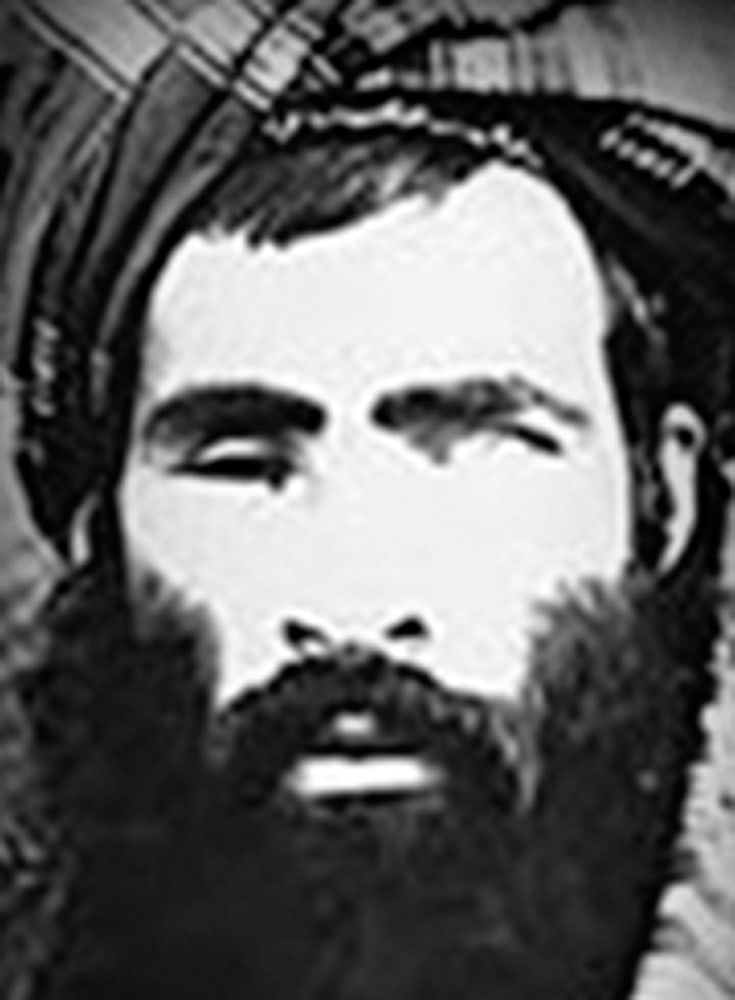
Mullah Omar 


Taliban leader Mullah Omar. PHOTO: REUTERS

KABUL: Supreme leader of the Afghan Taliban Mullah Omar died suffering from tuberculosis two years ago in a Karachi hospital, Afghanistan’s top intelligence agency, the National Directorate of Security (NDS) confirmed on Wednesday.

“The Afghan government has received confirmed reports that Mullah Omar died nearly two years ago in Karachi,” NDS spokesperson Abdul Haseeb Siddiqui told BBC Pushto. “We are happy that now the foreign sources have also confirmed that Mullah Omar is no more alive.”

“We still have a lot of questions how Mullah Omar died,” he said, adding that, “We have been told that the Taliban leader died owing to an illness.”

The deputy spokesperson for the Afghan President also confirmed that Mullah Omar had died in 2013.

https://twitter.com/ZafarHashemi/status/626417739838681088

“The government of Afghanistan believes that grounds for the Afghan peace talks are more paved now than before, and thus calls on all armed opposition groups to seize the opportunity and join the peace process,” the statement added.

Earlier, a former Afghan Taliban minister and member of the central leadership council had revealed to The Express Tribune that Mullah Omar had died owing to Tuberculosis, however, he had not disclose the location of his death.

“Mullah Omar died two years and four months ago owing to Tuberculosis. He has been buried on Afghan side of the border,” the former minister had said on the condition of anonymity.

Further, he added, “Mullah Omar’s son had identified the body of his father.”

Read: Afghan Taliban release Mullah Omar biography amid growing frustration within ranks

Meanwhile, some Afghan government officials told the media in Kabul that the Pakistani government has also conveyed to them that Mullah Omar has died.

The Taliban have not yet commented on reports of Mullah Omar’s death, however, they are mulling a formal response to be release later today.

Read: Mullah Omar endorses ‘political endeavours and peaceful pathways’

Mullah Omar’s successor

The disclosure came as reports of the Afghan Taliban chief’s death sprung up yet again when the Afghan Taliban summoned a meeting on Wednesday to elect a new chief after some leaders of the militant group confirmed Mullah Omar’s death.

The former minister also disclosed that he was invited to attend the meeting.

Taliban sources told The Express Tribune that consultations for a new leader are under way and a successor will be announced before the next round of peace talks scheduled to be held in Pakistan on July 31.

Read: Afghan reconciliation: Mullah Omar’s aide likely to join peace talks

It is widely speculated that Mullah Baradar Akhund will succeed Mullah Omar as the supreme leader of the Afghan Taliban.

Mullah Omar had appointed Mullah Baradar and Mullah Ubaidullah Akhund as deputy leaders while he was alive.

Mullah Ubaidullah died in a jail in Pakistan, according to the Taliban which leaves Mullah Baradar next in line.

Mullah Baradar was reportedly released by Pakistan along with some other Taliban leaders in 2013; however, some Taliban leaders still insist he has not been allowed to rejoin his family.

Read: Doubts and divisions among commanders as Taliban talk peace

Some Taliban leaders told The Express Tribune that Mullah Baradar enjoys the support of Sayed Tayyab Agha, the head of the Afghan Taliban’s political office in Qatar.

Tayyab Agha himself was a close confidante of Mullah Omar. Further, sources say that Mullah Yaqub, the son of Mullah Omar, is also in favour of Mullah Baradar succeeding his father.

Read: Mullah Omar endorses Taliban peace talks

Other Taliban sources say that the incumbent Taliban acting chief Mullah Akhtar Mansoor, a former aviation minister, is also among the few aspiring for this position. However, sources added that Mansoor’s position in the Taliban has been widely damaged for spreading news of Mullah Omar’s death.

Read: The Taliban in Afghanistan

Another choice for Mullah Omar’s successor could be Mullah Yaqub, his son. Yaqub recently graduated from a religious school in Karachi. However, several Taliban leaders are of the view that Yaqub is too young and may be ‘unsuitable’ for the post. A Taliban leader told The Express Tribune that Mullah Omar never wished for someone from his family to succeed him.

Mullah Omar’s brother Mullah Abdul Manan has also been actively involved in Taliban affairs in recent years.

Afghanistan investigating reports of Mullah Omar’s death

An Afghan government official said that a press conference had been called on the subject of Taliban leader Mullah Omar, amid rumours of his death.

The official, who declined to be named because he was not authorised to give statements to the press, did not provide further details.

Further, the Afghan government is investigating reports of the death of Taliban supremo Mullah Omar, a presidential spokesman said.

The announcement from spokesperson Sayed Zafar Hashemi came after unnamed government and militant sources told media that the one-eyed leader died two or three years ago.

“We have seen reports in the media regarding the death of Afghan Taliban leader Mullah Omar,” Hashemi told a press conference.

“We are investigating these reports… and will comment once the accuracy of these reports are confirmed.”

The elusive leader of the militant group, which ruled Afghanistan in the late 1990s until it was toppled by a US-led offensive in 2001, has not been seen in public for years, leading to speculation he has been dead for some time.

The Taliban has been fighting an insurgency against the Western-backed government in Kabul since its ouster, killing thousands of civilians and security personnel and making significant territorial gains in recent months.

Tentative peace talks have begun aimed at ending the war, with the Taliban split between those who support dialogue and others who want to continue to fight for power.
source: http://tribune.com.pk/story/928571/afghan-taliban-leader-mullah-omar-is-dead/


Mullah Omar Father of Taliban Died inside of Pakistan in Karachi


Even in the prime of his life, at the height of his power, it was difficult for anyone to learn about, much less meet, Mullah Omar. He was simply the most reclusive, secretive leader in the world.

Word of his death Wednesday confirmed just how much of a phantom the father of the Taliban had become. Afghan officials said Omar has been dead for "a couple years."

"I can confirm that Mullah Omar is dead," the spokesman for Afghanistan's National Directorate of Security Abdul Hassib Sediqi told NBC News. "According to our intelligence Mullah Omar has died in a hospital in Pakistan a couple years ago."

Mullah Omar was rarely seen or heard. It's believed he was photographed only twice. But his legend was real enough.

He was famously one-eyed, having lost his right eye to a shrapnel injury, one of four he sustained fighting Soviet troops who occupied Afghanistan in the 1990s. He was so adept with an RPG rocket launcher against Soviet armor that he rose quickly.


Mullah Omar is shown in this undated photo from the U.S. National Counterterrorism Center. National Counterterrorism Center / Reuters

His experience as a Mujahadeen commander gave him the confidence to fight another superpower, the United States.

It also taught him to shun any easily traceable means of communication. He sent messages through trusted couriers on tiny, rolled-up pieces of paper, avoiding mobile phones, satellite phones, video recordings —anything that might identify him to an enemy.

The Taliban claim he was born in 1960 to a religious family who lost at least four members fighting the Soviets and Americans. His years fighting Soviet troops in the depths of Afghan winters led to ill health. Reports about his death suggest he had hepatitis, as well as chest and heart trouble.

Omar was one of the world's most wanted men — the U.S. government put a $10 million bounty on his head — because of his leadership of the Taliban insurgency against U.S. and coalition troops following the 2001 invasion of Afghanistan. The Taliban say his uncle was killed on the first day of the American bombardment in October 2001.

But before that he was a head of government, an enforcer and a spiritual leader.

The "Commander of the Faithful," as he became known, created the Taliban in the early 1990s to fight the warlords and the chaos tearing Afghanistan apart after the retreat of Soviet troops. Before the final victory in Kabul, Omar took a shroud thought to have been worn by the Prophet Mohammad and draped himself in it, receiving a rapturous response from fighters who, from then on, saw him as a spiritual and military leader."SIMPLE DRESS, SIMPLE FOOD, SIMPLE TALK, FRANKNESS AND INFORMALITY ARE HIS NATURAL HABITS"

He headed the Taliban council that invited Osama bin Laden, a fellow fighter against the Soviets, to be a guest of the nation in Jalalabad. After 9/11, the council met to decide how to respond to the U.S. demand to hand over bin Laden.

It decided — narrowly, it's believed — to refuse to give him up. That decision led to the overthrow of Omar's government just weeks later. He fled, first to Kandahar and then out of the country.

Little is known of his life after that. Afghan leaders and military commanders say they found it impossible to arrest or kill a man they couldn't identify. It's almost certain he lived in hiding in Pakistan, like bin Laden — probably in the city of Quetta, where he directed the council that led the insurgency against U.S. troops.

It's believed Omar lived humbly, rarely seeing visitors outside his close inner circle. Earlier this year, the Taliban produced a biography of him, claiming he had no home and almost no money but "a special sense of humor."


Mullah Omar in his Youth While in Training with ISI against Russians 

Any sense of humor was lost on a world that saw only a humorless, ruthless Taliban government that banned television, dancing and kite-flying, whose Ministry of Vice and Virtue patrolled the streets beating women for showing an inch of flesh in public.
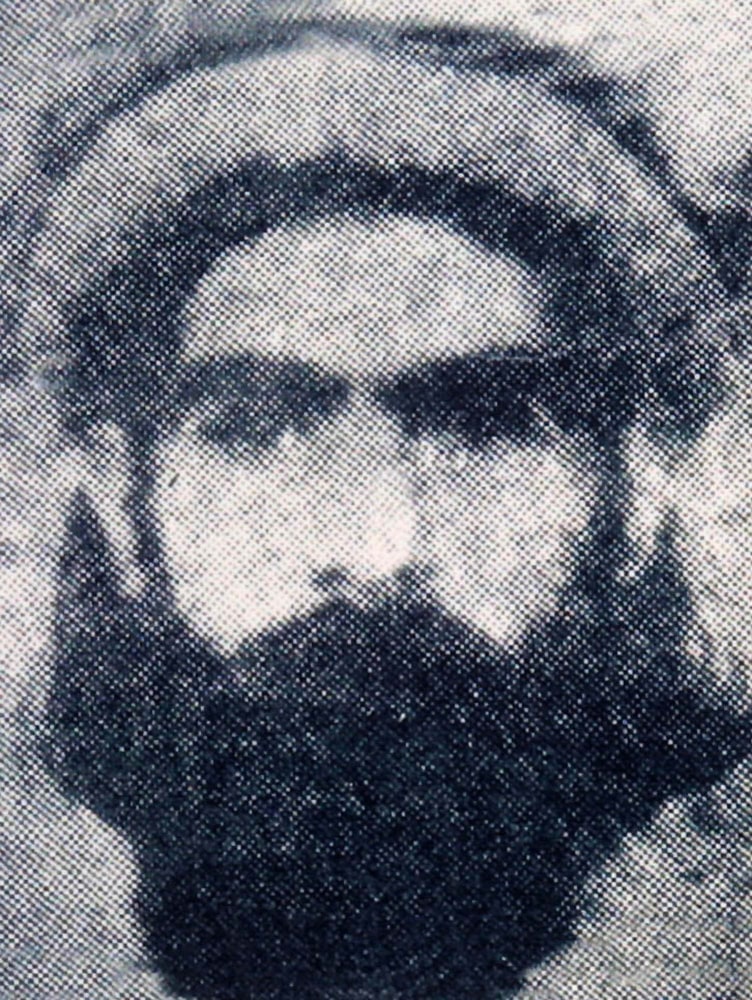
This undated file photo reportedly shows Taliban supreme leader Mullah Mohammed Omar. ASSOCIATED PRESS, file

But some, especially Omar's fellow ethnic Pashtuns, yearn for the stability he brought as Afghanistan fails to emerge cleanly from decades of corruption and conflict.

For many in the West, Omar was a cartoon villain, one-eyed and blind to the modern world. For his followers, he was, as the Taliban described him recently, "a unique and charismatic personality":

"Contrary to (other) leaders, he does not want to show off. He is not eager or excited to speak if it is unnecessary to do so. And if needed, his words ... are keen, perceptive and logical. He has adopted a simple and plain style in all aspects of his life. Simple dress, simple food, simple talk, frankness and informality are his natural habits."

Omar had been reported dead many times in recent years. The rumors began when he failed to send audio messages, although they had never been frequent. The only evidence he still was alive was an occasional statement on a Taliban website, the most recent being a comment, purported to be from him, supporting recent peace talks between the Taliban and the Afghan government. Reports he died years ago cast serious doubt on the authenticity of those statements.

The latest claim that Omar was dead is equally contentious. It's claimed he died in Quetta two years ago, probably of hepatitis. A senior member of the Afghan Taliban in Pakistan said, "I am 100 percent sure Mullah Omar is dead, but will not share other information until we have chosen his successor."

Who will that be? There appears to be a succession battle, between Omar's eldest son, Yaqoob, and his deputy Mullah Mansour. Even this is disputed: Some say the reports are part of a CIA plot to destabilize the organization at a crucial moment in peace talks and to encourage factional fighting and defections from the Taliban. Several commanders have left this year to join ISIS.

In life and in death, like bin Laden, Omar was hated and hunted by the West while an inspiration and an icon to generations of his followers — a man who stood up to both the major superpowers of the modern era and who refused to betray the guest of his nation to one.

source: http://www.nbcnews.com/news/world/mullah-omar-dead-father-afghanistans-taliban-died-pakistan-n400451

Myth of Taliban Leader Mullah Omar and Was he Really a Leader ?


Mullah Omar
Mullah Muhammad Omar Taliban Founder of Nookar of Punjabi Establishment 

Whether or not Mullah Omar is dead or alive, his long absence from public view is posing a growing threat to the strength of his splintering Afghan Taliban movement.

"Where is Mullah Omar?" is a question sources say is being increasingly and angrily directed at the commander regarded as the acting head, Akhtar Mohammad Mansour.

Commander Mansour has long been reported to be fighting off threats to his authority from more hardline Taliban opposed to any peace talks, including Abdul Qayum Zakir.

The Taliban are also facing a growing challenge from the still small, but increasingly significant presence of the so-called Islamic State in Afghanistan. Videos have emerged of disgruntled Taliban fighters swearing allegiance to the IS's self-declared Caliph Abu Bakr al-Baghdadi.

The Iraqi cleric, who also declared a modern day caliphate in areas under IS control in Iraq and Syria, has publicly mocked the religious and political leadership of Mullah Omar.


Baghdadi ISIS Leader 


Abu Bakr al-Baghdadi, the leader of the Islamic State militia, has ridiculed Mullah Omar's leadership
Fragile unity

In a Taliban movement said to be founded on a pledge of allegiance to the Amir ul-Mumineen (Commander of the Faithful), Mullah Omar's authority was regarded as a binding force of political and military strength.

"I really hope peace talks are concluded before Mullah Omar dies," a former senior Taliban official nervously remarked to me several years ago with unexpected candour about the movement's leader. "When he's gone, it will be much harder to maintain Taliban unity," he admitted with palpable concern.

Our conversation, outside Afghanistan, took place at a time when Nato-led forces were killing many mid-level Taliban commanders in their operations in southern Afghanistan. That was raising concern that younger, more radicalised fighters, without a strong allegiance to the Taliban leader, would rise through the ranks and be hard to keep in line.

In 2010, when US diplomats first engaged in face-to-face talks with the Taliban through what later became known as the movement's Political Office in the Gulf state of Qatar, they first sought to establish that the Talibs were acting with Mullah Omar's authority. At the time, US diplomats involved in the process told me credible assurances were received that Syed Tayyab Agha, his former personal secretary, had his blessing.

That green light was, however, said to be strictly limited to negotiations with the Americans about Taliban prisoners and the presence of foreign troops in Afghanistan.

They eventually resulted in last year's swap of the remaining American soldier in Taliban captivity, Bowe Bergdahl, for five Taliban members held at Guantanamo Bay.


Taliban Office in Qatar 


Negotiations through the Taliban's political office in Qatar had to be approved by Mullah Omar
Seal of legitimacy

This year, in the midst of a series of unprecedented informal meetings between the Taliban's Political Office and Afghan government officials, Taliban sources emphasised they still did not have formal authorisation from Mullah Omar to negotiate officially and openly with the Afghan government.

That again raised the most salient issue: how to get a ruling from a leader who has not been seen in public since late 2001 when the Taliban movement was ousted in Afghanistan after the attacks of 11 September. Even his recorded messages stopped several years ago.

Taliban officials often insisted their leader had to keep an exceptionally low profile because of US efforts to kill or capture him. But he was widely rumoured to be in Pakistan, despite Islamabad's denials. A senior Afghan official told me a few years ago that the Americans had confirmed to him that Mullah Omar was living in the southern Pakistani city of Karachi.

This month, a written message from Mullah Omar suddenly appeared, to mark the Islamic Eid Festival. It did not directly refer to a new separate process of peace talks being organised by the Pakistani government which represented the first publicly recognised formal talks.

But the text said "peaceful interactions with the enemies is not prohibited" under Islamic tradition. It led to speculation over whether the message had been written by Mullah Omar himself, or someone who wanted his seal of legitimacy.

Reports of the Taliban leader's death have circulated for years but these latest ones have now emerged just days before another round of peace talks in Pakistan is about to get under way at the end of this month.

They also come at a time of disagreement over who should represent the Taliban in any negotiations with the Afghan government.

Sources say Pakistani military intelligence officers, who have long had close ties to the Taliban, are urging Taliban field commanders they have worked with to come to the table instead of members of the Political Office in Qatar with whom they have had difficult relations.
Powerful figurehead

Afghan President Ashraf Ghani, who has adopted a new policy of working closely with the Pakistan government and military on Taliban issues, is said to be giving Islamabad considerable leeway in a negotiating process making slow and indeterminate progress.

Before the first round of talks in the Pakistani hill resort of Murree in early July, Mr Ghani was said to be under mounting pressure to abandon his approach to Pakistan, which was markedly different from his predecessor Hamid Karzai's strained relations with Islamabad.

And there's the larger question of how committed Taliban commanders are to a political process when they continue to conduct bloody attacks not just against military and police targets but also brazen assaults on Afghan civilians everywhere from crowded markets to the country's national assembly.

Numerous countries are known to have been involved for years in secret and not so secret efforts to bring the Taliban to the table including China, Norway, Britain, and some private mediation groups.

The legitimacy conveyed by the mythical Mullah Omar was always regarded as essential even if the reclusive leader had long ceased to be involved in the day-to-day running of the movement.

Now the issue of who can replace such a powerful figurehead is emerging as one of the most significant challenges to its survival as a cohesive political and military force.

source: http://www.bbc.com/news/world-asia-33701790


Sunday, June 28, 2015

Punjabi Taliban Terrorist members Arrested in Rome for Peshawar Bomb Blast in Meena Bazar Killing Thousands

A Pakistani suspected of involvement in the Peshawar market bombing — one of the country's bloodiest attacks — has been arrested in Rome. — Reuters/File
Punjabi Taliban Arrested inn Rome for Peshawar Bomb Blast 

Lashkar Jhangavi and Lashkar Tayaba Punjabi Taliban Made by our Punjabi Establishment to Invade Afghanistan and Kashmir  who were part of Taliban who attacked Peshawar frequently as they were allowed space in FATA by Our Military Intelligence Agencies for the Purpose of Attacking Afghanistan were frequently found to Attack Peshawar and Would Spare Punjab as they belonged to Punjabi establishment . These Same Punjabi Taliban also were part of Al-Qaeda and Also Protected Osama Bin laden and also provided them Protection under State Patronage. 


ROME: A Pakistani suspected of involvement in the Peshawar market bombing — one of the country's bloodiest attacks — has been arrested in Rome, Italian police said on Friday.

The man, who has been living in Italy, is accused of taking part in the attack in 2009 in which 134 died, including many women and children.


He was held at Rome's Fiumicino airport after stepping off a flight from Pakistan.

Anti-terrorist police believe he also hid a “suspected suicide attacker who was supposed to carry out an attack” in Italy.

In April, Italy claimed to have dismantled an Islamist terror cell on the island of Sardinia led by two former bodyguards of Osama bin Laden who were plotting a possible attack on the Vatican.

Arrest warrants were issued for 18 people, several of whom are also suspected of being part of militant networks in Pakistan.

Nine were arrested across Italy, including three on Sardinia.

The Vatican has played down the threat to the pope's life.

source : http://www.dawn.com/news/1190574/italy-arrests-pakistani-accused-of-bloody-2009-peshawar-bombing

21st Amendment of Constitution and Defence of Pakistan was Needless Actions Army Had Enough Powers Already


SC questions need for amendment in Army Act in the presence of Article 245, says govt could have invoked Article 6 of PPC to invoke treason charges against terror suspects
Justice Khawaja says president’s accord prior to Parliament’s akin to signing decision after accused is hanged

Hearing petitions against the 18th and 21st constitutional amendments on Tuesday, a 17-member full court bench of the Supreme Court (SC), headed by Chief Justice of Pakistan Justice Nasirul Mulk, observed that the federal government could invoke treason charges under Article 6 of Pakistan Penal Code (PPC) relating to terrorism against the State instead of trying terror suspects in military courts.

During the hearing, Justice Asif Saeed Khosa remarked that “bringing certain matters under the military courts as administrative arrangements during a democratic era is also dictatorship”.

“How can we allow it? There was no need of the 21st Amendment after the military leadership had directed the federal government to make amendment for formation of military courts. What was the need to make amendment in Army Act in the presence of Article 245? It is said in the preface of 21st Amendment that this amendment is aimed at providing constitutional protection to military courts.”

Moreover, Justice Dost Muhammad Khan remarked, “The successful operation conducted in Swat was conducted under Article 245 and not under military courts. If the situation can improve in Swat, why not elsewhere? What is the need left for formation of military courts?”

Furthermore, Justice Jawwad S Khawaja remarked, “If the government can call in Army under Article 245 for fear of revolt, it could be done so now too. There was no need for formation of military courts. Signing by the president prior to approval of Parliament is as if any accused is hanged without trial.”

Chief Justice of Pakistan (CJP) Nasirul Mulk said that dictatorships have reigned over the country despite their way was blocked in the Constitution of 1973.

Earlier, Attorney General (AG) Salman Butt told SC that all the details of trial by military courts have been obtained and will be provided in the form of a video.

Butt said that military courts have been set up in order to speed up the trials of those accused of terrorism as in the previous year, 85 per cent of terrorism cases were left pending by civil courts. He contended that militants have spilled over to other areas thus demanding swifter action from the government.

“If 500 terrorists attack from behind Margalla hills, will the Army see towards the decision of high court and Supreme Court?”

The AG said amendment was made for formation of military courts keeping in view the situation of the country. “India also made temporary amendment in Article 59 of its Constitution. Amendment in Army Act and 21st Amendment were passed in National Assembly simultaneously. In Senate, the amendment in Army Act was approved first and 21st Amendment was passed later,” he said.

The AG said all the things had become clear in Liaquat Hussain case. “I will come to the fact on Wednesday and will provide the details about trial in military courts. These all will be in the form of a video,” he said.

The hearing was adjourned till today (Wednesday).

Military courts were agreed upon by the political leadership under the National Action Plan (NAP) against terrorism adopted in December after the Peshawar school tragedy in which 150 students and staff lost their lives.

The Parliament later amended the Constitution and the Army Act to pave the way for the establishment of military courts for a period of two years. The Army has set up nine courts — three each in KP and Punjab, two in Sindh and one in Balochistan.

SOURCE : http://www.pakistantoday.com.pk/2015/06/23/national/sc-renders-military-courts-needless/

Thursday, June 11, 2015

Ebola ( Congo Virus ) Strikes Hayatabad Medical Complex Peshawar

Health Services DG says govt prepared to prevent outbreak. STOCK IMAGE
Govt not prepared to prevent outbreak.


PESHAWAR: Two suspected Congo virus patients died in Hayatabad Medical Complex’s isolation ward. The deceased were Afghan nationals who had come to the city for medical assistance.

HMC medics said Muhammad Hashim was admitted to the facility on Tuesday. His blood samples were taken and he was shifted to an isolation ward where he passed away during the early hours of Wednesday. Similarly, 20-year-old Zahir, a resident of Jalalabad, Afghanistan was brought to HMC on June 5 and passed away on June 8 before he could be diagnosed with the virus.

The two cases push the tally of suspected Congo carriers brought to the hospital from the neighbouring country to four this year. The deaths have put the provincial government on alert as the province and tribal areas are at risk.


The Khyber-Pakhtunkhwa government has taken all preventive measures to counter Congo virus, however, the number of suspected patients arriving from Afghanistan has set alarm bells ringing.

Talking to The Express Tribune, K-P Health Services Director General Dr Pervez Kamal said no case of Congo virus has been reported in the province so far and that “all measures have been taken to ensure the virus does not spread.”

“All necessary steps have been taken. We have collected blood samples of patients as well as their family members and forwarded them to the federal capital for examination.” He said that while results are awaited, even suspected carriers are kept in isolation ward.

Over the past few months, the number of patients at HMC from across the border with symptoms similar to those of the virus has increased.

Earlier, 30-year-old Abdul Saboor, a resident of Kabul, Afghanistan, was shifted to an isolation room on similar grounds. Qudratullah, hailing from Mazar-e-Sharif, was also admitted and his blood samples were obtained. However he left the hospital soon after. Test results of both individuals are still awaited.

Published in The Express Tribune, June 11th, 2015.
source: http://tribune.com.pk/story/901458/in-isolation-suspected-congo-virus-carriers-die-at-hmc/